Is a Resin Door Safe for Homes with Kids & Pets? (Complete Homeowner Safety Guide)
Picture this: It's a Saturday morning in your Nixa home. The kids are chasing each other through the house, the dog is barking at a squirrel outside, and someone just slammed the front door for the third time in ten minutes. Sound familiar?
When you're considering a custom resin door, these everyday moments probably cross your mind. Will it hold up to sticky fingerprints? What happens when the dog scratches at it to go outside? Is the material even safe for little ones who touch everything?
These are exactly the right questions to ask. Let's walk through everything you need to know about resin door safety for families with children and pets.
The Short Answer: Yes—When Built the Right Way
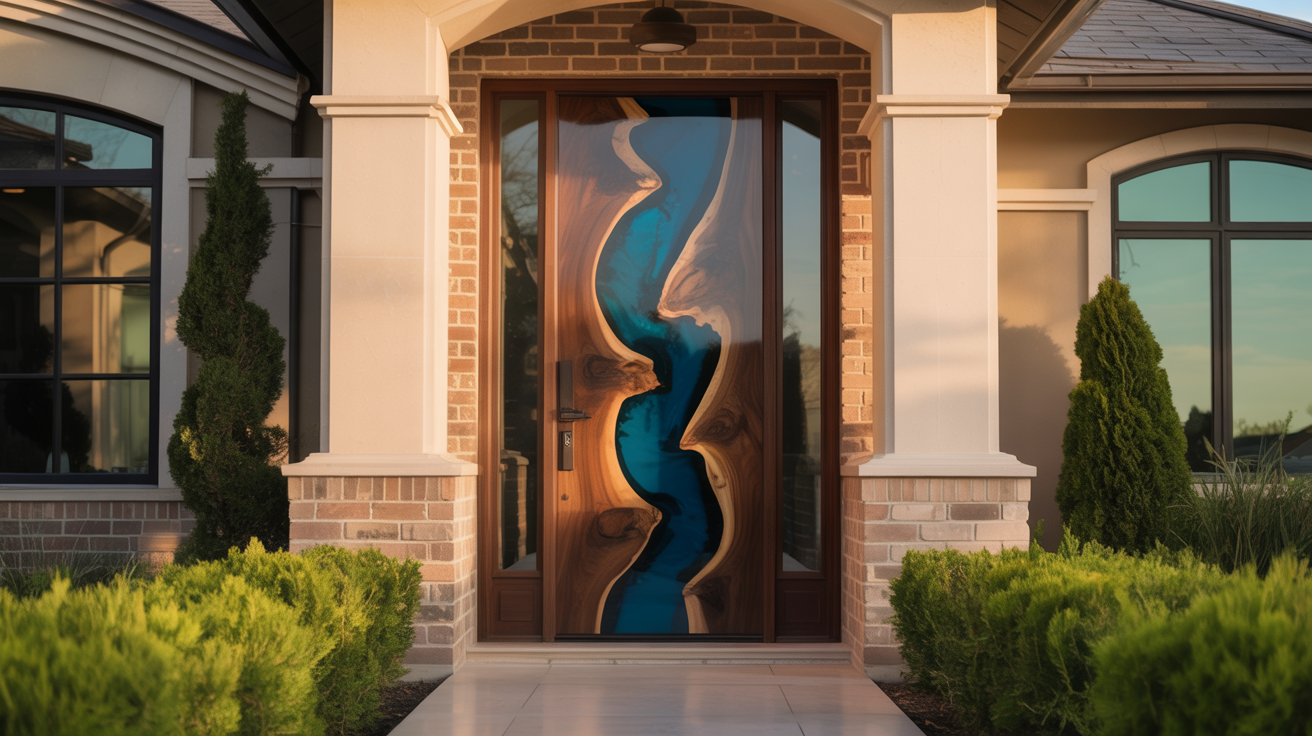
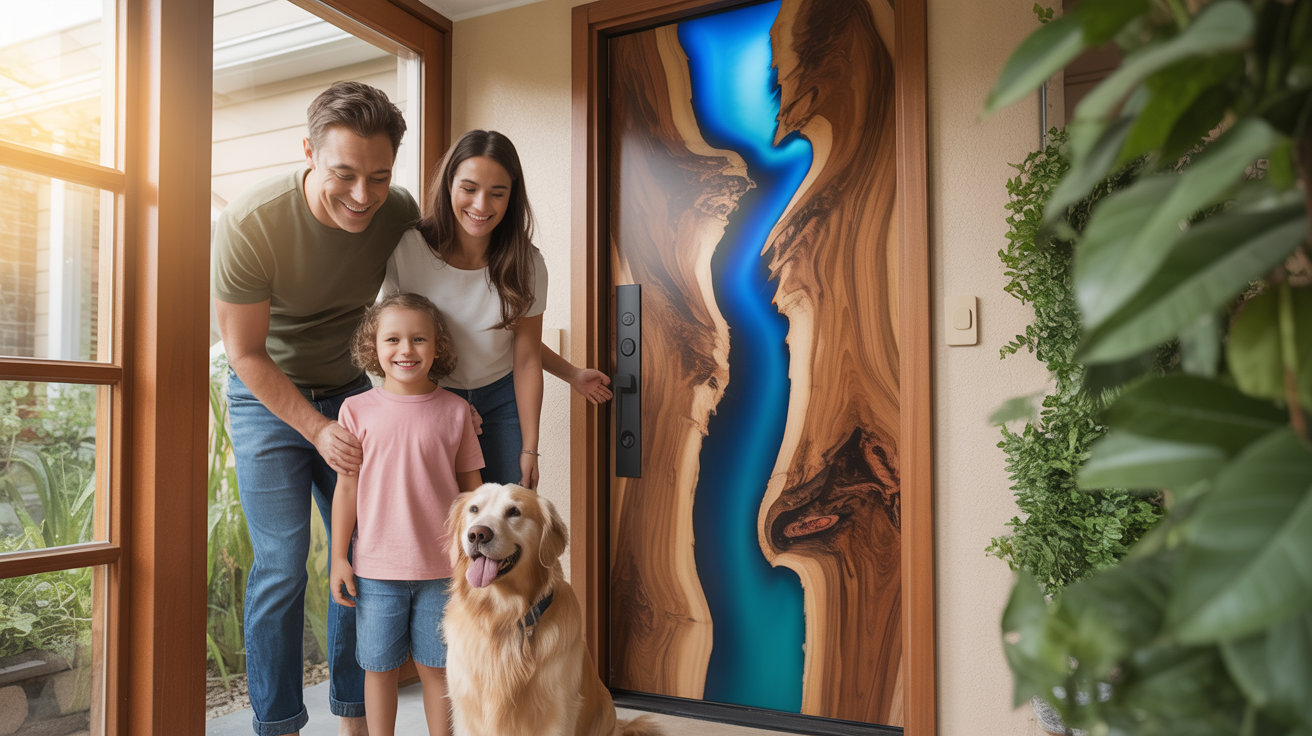
Here's the reassuring news right upfront: quality custom resin doors are absolutely safe for homes with kids and pets. In fact, many families find them safer and more practical than traditional door options.
But here's the important caveat—safety depends entirely on craftsmanship and materials. A properly cured resin door made with quality materials is completely inert and family-friendly. Corners cut during manufacturing? That's where problems can arise.
This is exactly why working with experienced local craftsmen matters so much. When you choose artisans who take pride in their work and understand family needs, you get a door that's beautiful, durable, and completely safe for every member of your household—including the four-legged ones.
Did you know? Once fully cured, epoxy resin becomes chemically stable and non-reactive. It's the same type of material used in food-safe applications and medical devices. That's the level of safety we're talking about.
Are Resin Doors Non-Toxic and Safe to Touch?
This question comes up constantly from parents, and rightfully so. When your toddler puts their hands on everything—and then those hands go straight to their mouth—you need to know what they're touching is safe.
Let's break down the science in simple terms.
During the Curing Process
Raw, uncured epoxy resin does require careful handling. The liquid components can cause skin irritation and shouldn't be inhaled. This is why professional craftsmen work in controlled environments with proper ventilation and protective equipment.
However, this phase happens entirely in the workshop, long before any door arrives at your home.
After Full Curing
Once epoxy resin fully cures—a process that takes several days under controlled conditions—it undergoes a complete chemical transformation. The finished material is:
Completely inert. Cured resin doesn't off-gas, leach chemicals, or release any harmful substances. It's as stable as glass or ceramic.
Safe for skin contact. Your kids can touch it, lean against it, press their faces to it (as kids do)—no problem whatsoever.
Non-toxic if accidentally licked. We're not suggesting anyone should lick their door, but toddlers are unpredictable. A fully cured resin surface poses no toxicity risk from brief oral contact.
Hypoallergenic. Unlike some wood finishes that can trigger sensitivities, cured epoxy resin rarely causes allergic reactions.
The protective topcoats applied over resin doors add another layer of safety. Quality UV-resistant finishes create a smooth, sealed surface that's easy to clean and maintains its safety properties for decades.
Want to understand more about how these doors are constructed? Our behind-the-scenes look at how custom resin doors are crafted reveals the attention to detail that ensures both beauty and safety.
Durability Against Scratches, Kicks, and Paw Marks
Let's be honest—family homes are hard on doors. Between kids running in and out, dogs pawing to be let in, soccer balls that miss their target, and the general chaos of daily life, your entry door takes a beating.
How do resin doors hold up? Remarkably well, actually.
Impact Resistance
Epoxy resin creates an incredibly hard, impact-resistant surface. We're talking about a material that rates high on the hardness scale—harder than most plastics and comparable to some hardwoods. When your eight-year-old accidentally slams the door while rushing to catch the school bus, the door handles it without complaint.
Have you ever seen what happens to a hollow-core door when something heavy hits it? Dents, cracks, sometimes holes right through. Solid resin and wood hybrid doors don't have that vulnerability. The dense material absorbs and distributes impact forces.
Scratch Resistance
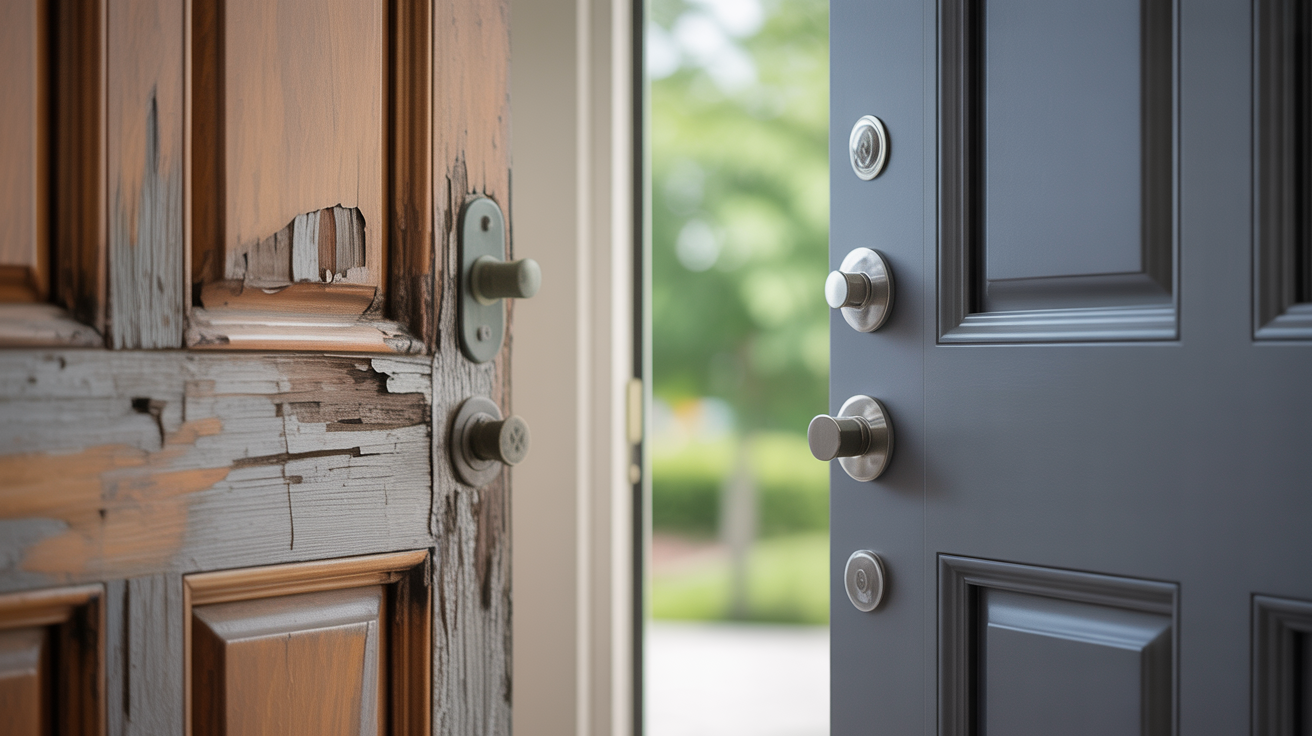
Dogs and doors have a complicated relationship. Your pup hears something outside and suddenly those paws are working overtime on your door's surface. Traditional wood doors show those scratches immediately and permanently.
Resin doors resist scratching far better than painted or stained wood surfaces. The hardened epoxy doesn't gouge easily, and the protective topcoat adds another defense layer. Minor surface marks that do occur can often be buffed out, unlike deep scratches in wood grain.
Pro Tip: For homes with larger dogs or persistent scratchers, ask about extra-durable topcoat options. Some marine-grade finishes offer even greater scratch resistance for high-traffic family homes.
Moisture and Mess Resistance
Kids track in mud. Dogs come inside wet. Someone spills their drink while fumbling for keys. Resin doors handle moisture exposure without the warping, swelling, or finish damage that plagues traditional wood doors.
Cleaning is simple too—mild soap and water wipe away fingerprints, nose prints, paw prints, and whatever else accumulates on busy family doors. No special cleaners needed, no worry about damaging the finish.
Finger Safety, Edges, and Door Hardware
Parents of young children think about pinch points, sharp edges, and anything that could cause injury. These concerns are completely valid when choosing any door.
Smooth, Rounded Edges
Quality custom resin doors feature smoothly finished edges—no sharp corners or rough spots where little fingers could get scraped. The resin finishing process naturally creates rounded, polished edges that are comfortable and safe to touch.
Compare this to some mass-produced doors where rushed manufacturing leaves rough edges, splinters, or poorly finished corners. Custom craftsmanship makes a real difference in these details that affect daily safety.
Seamless Surfaces
The continuous pour of resin over wood creates a seamless surface without gaps, cracks, or joints where small fingers could get caught. Traditional paneled doors sometimes develop gaps between components as materials expand and contract. Resin-sealed doors maintain their integrity.
Hardware Considerations
While the door itself offers excellent safety characteristics, hardware choices matter too. When designing safe doors for kids and pets, consider:
Soft-close hinges that prevent door slamming—protecting little fingers from getting caught and reducing noise that startles pets.
Lever handles at appropriate heights so children can operate doors safely without stretching or climbing.
Pet doors or built-in pet access integrated into the design, allowing your animals to come and go without scratching at the main door surface.
Childproof locks positioned appropriately for your family's needs.
A good craftsman will discuss these options during the design process, helping you create a door that works perfectly for your specific family situation.
Resin Doors vs Traditional Doors for Family Homes
How do resin doors stack up against other options when family safety and durability are priorities? Let's compare.
Versus Solid Wood Doors
Traditional solid wood doors are beautiful but require significant maintenance and remain vulnerable to moisture, scratches, and dents. They need regular refinishing, can develop splinters as finishes wear, and often show pet damage prominently. For more details on this comparison, our article on resin versus wood doors covers the key differences.
Versus Hollow-Core Doors
Budget hollow-core doors are lightweight and affordable but offer minimal durability. One good bump can leave permanent damage. They provide poor insulation, minimal sound blocking, and simply don't hold up to family life.
Versus Fiberglass Doors
Fiberglass offers good durability but lacks the customization and artistry of resin doors. The surface can feel plastic-like, and options for unique designs are limited. Repairs when damage does occur can be challenging.
Versus Steel Doors
Steel doors excel at security but conduct temperature extremes, can dent from impacts, and may develop rust over time. They're also prone to condensation issues and offer limited aesthetic customization.
For families wanting the combination of durability, safety, easy maintenance, and stunning aesthetics, child-safe entry doors made with resin and quality hardwoods consistently outperform alternatives.
Pro Tips for Making Any Resin Door Family-Safe
Already have a resin door or planning to order one? These upgrades and practices maximize safety for households with kids and pets.
Request rounded edge profiles. Specify smooth, rounded edges during the design phase rather than sharp 90-degree corners.
Choose matte or satin finishes for high-traffic areas. While glossy finishes are gorgeous, they show fingerprints more readily. Satin finishes stay cleaner-looking with less maintenance.
Install quality weather stripping. Proper seals prevent finger pinching at door edges while improving energy efficiency.
Add a kick plate. A coordinating kick plate at the bottom protects against pet scratches and shoe scuffs while adding a design element.
Consider a storm door. An exterior storm door adds another layer of protection, reducing wear on your beautiful resin door from weather and daily impacts.
Create a dedicated pet entrance. If your animals frequently need outdoor access, a built-in pet door or separate pet entrance reduces scratching and frustration.
Establish door rules early. Teaching kids and training pets about gentle door use protects your investment and builds good habits.
Keep cleaning supplies handy. A microfiber cloth near the door makes quick wipe-downs easy, preventing buildup from sticky hands and wet paws.
Thinking about what features matter most for your family? Our comprehensive guide to choosing the perfect resin door helps you prioritize the options that fit your lifestyle.
Frequently Asked Questions
Can my dog's nails damage a resin door?
Normal paw contact won't damage a properly finished resin door. The hardened surface resists casual scratching far better than painted wood. However, persistent scratching from anxious dogs or those trying to get inside can eventually wear through topcoats over time. A kick plate or pet door helps prevent this issue.
Is the resin safe if my toddler chews on the door?
Fully cured epoxy resin is non-toxic and safe for incidental oral contact. While we don't encourage door-chewing as a hobby, brief contact from curious toddlers poses no health risk. The surface is as safe as touching a glass table or ceramic tile.
Will the door get hot in summer sun and burn someone?
Resin doors can warm in direct sunlight, similar to any door material. However, they don't retain heat the way metal doors do. The wood component helps moderate temperature, and proper storm door or porch coverage prevents excessive heating. Surface temperatures remain safe for normal contact even on hot Missouri summer days.
How do I clean sticky fingerprints and pet marks?
Simple soap and water work perfectly. A soft cloth with mild dish soap removes fingerprints, nose prints, slobber, and most everyday marks. Avoid abrasive cleaners or scrubbing pads that could dull the finish. For stubborn spots, a small amount of rubbing alcohol on a soft cloth works safely.
What if my child draws on the door with markers or crayons?
The smooth, sealed surface of resin doors makes cleanup easier than textured or porous materials. Most marker and crayon marks wipe away with appropriate cleaners. Permanent marker may require rubbing alcohol, but the finish won't be damaged by proper cleaning methods. Another reason families appreciate pet-friendly doors made with resin—they forgive the inevitable accidents of family life.
Safe, Beautiful, and Built for Real Family Life
Your home should be both beautiful and functional for everyone who lives there—including the smallest and furriest family members. Custom resin doors deliver on both fronts, offering stunning artistry paired with the durability and safety features busy households need.
The families we work with throughout Springfield, Ozark, Branson, and surrounding communities often tell us they wish they'd made the switch sooner. They love knowing their door can handle whatever their kids and pets throw at it—sometimes literally—while still making a gorgeous first impression.
Understanding why so many families are choosing resin doors helps put the decision in perspective. Our exploration of why resin doors represent the future of home design covers the trends driving this shift.
Looking for a Family-Safe Resin Door in Missouri?
Every family is different. Some have toddlers in the exploration phase. Others have energetic dogs who greet every visitor enthusiastically. Many have both—plus teenagers, grandparents, and everyone in between.
We design custom doors that work for your specific situation. Whether you need extra durability features, particular hardware accommodations, or design elements that hide wear, we'll help you create a door that serves your family beautifully for decades.
Our craftsmen have been serving families throughout Nixa, Springfield, Ozark, Branson, and the surrounding Ozarks region with custom resin doors built to last through all of life's adventures.
Looking for a family-safe resin door in Nixa or Springfield, MO?
We design and craft doors that are beautiful, durable, and safe for kids and pets.
Call 417-224-8734 or request a free consultation today.
Let's create something your whole family will love.
Tags
Ready to Create Your Custom Resin Door?
Let's bring your vision to life with a one-of-a-kind custom resin door