Common Entry Door Problems Homeowners Face (And How to Prevent Them)
It starts small. Maybe your front door sticks a little during humid August afternoons. Maybe you notice a faint whistle of air around the edges on windy winter nights. Perhaps the finish looks a bit duller than it did a few years ago, or the handle wobbles slightly when you turn it.
These minor annoyances seem harmless enough. But left unaddressed, small entry door problems become expensive headaches—higher energy bills, water damage, security concerns, and eventually the need for complete replacement.
Have you noticed any of these issues with your own front door?
Let's walk through the most common front door issues homeowners face, why they happen, and—most importantly—how to prevent them from the start.
Why Entry Doors Experience Problems Over Time
Your front door works harder than almost any other element of your home. It opens and closes thousands of times each year. It faces direct weather exposure on one side and climate-controlled air on the other. That's a demanding job for any material.
Weather Exposure
Here in Missouri, doors endure remarkable weather diversity. Summer heat pushes into the 90s and 100s. Winter drops below freezing regularly. Spring brings driving rain. These constant shifts stress materials in ways that mild climates never do.
Sun-facing doors take particular punishment. UV exposure degrades finishes, fades colors, and breaks down wood fibers over time. A south-facing door in Springfield gets dramatically more UV damage than one facing north.
Daily Use and Wear
The average front door opens and closes 5-10 times daily. Over a decade, that's 18,000-36,000 cycles. Hinges wear. Latches loosen. Weatherstripping compresses. The cumulative effect of everyday use gradually degrades components.
Poor Installation
Many door problems trace back to installation day. Improper shimming creates uneven gaps. Inadequate flashing allows water intrusion. Wrong hardware choices accelerate wear. Even quality doors underperform when poorly installed.
Did you know? Industry estimates suggest that up to 40% of door performance issues stem from installation errors rather than material failure. How your door is installed matters as much as what door you choose.
Aging Materials
Every material has a lifespan. Wood dries, cracks, and rots. Paint chips and peels. Rubber seals harden and lose flexibility. Metal corrodes. Understanding these natural aging processes helps you anticipate problems before they escalate.
Common Entry Door Problems Homeowners Face
What specific issues should you watch for? Here are the problems we see most frequently among homeowners in Nixa, Missouri and surrounding communities.
Drafts and Air Leaks
That cold breeze around your door edges isn't just uncomfortable—it's expensive. Air leaks force your HVAC system to work harder, driving up utility bills month after month.
Common culprits include compressed weatherstripping, gaps between frame and wall, warped door edges that no longer seat properly, and threshold deterioration. Can you feel air movement around your closed door on windy days?
Pro Tip: Hold a lit candle or incense stick near your closed door edges on a windy day. Movement in the flame or smoke reveals exactly where air infiltration occurs.
Door Sticking or Difficult to Open
A door that fights you every time you open or close it signals underlying problems. Seasonal swelling—especially common with solid wood doors during Ozark summers—causes temporary sticking. But persistent difficulty usually means structural issues.
Foundation settling can shift door frames out of square. Hinge wear allows the door to sag. Moisture absorption causes permanent swelling. Each requires a different solution, and misdiagnosing the cause leads to wasted effort.
Misaligned Hinges or Frames
When your door doesn't hang straight, everything suffers. Locks become difficult to engage. Gaps appear unevenly around edges. The door scrapes the frame or threshold. Misalignment is both a symptom and a cause—other problems often follow.
Houses settle over time, particularly on Missouri's clay-heavy soils. That settling shifts frames in ways that affect door function. Older homes in Springfield, Ozark, and Branson commonly experience this.
Visible Wear or Fading
Your front door is your home's face. When that face shows peeling paint, faded stain, chalking finish, or discoloration, it diminishes your entire home's appearance. Exterior door maintenance helps, but some materials simply don't hold up to Missouri's conditions.
Painted wood doors need refinishing every 3-5 years to maintain appearance. Stained doors require similar attention. Without it, degradation accelerates rapidly once the protective finish fails.
Loose or Damaged Hardware
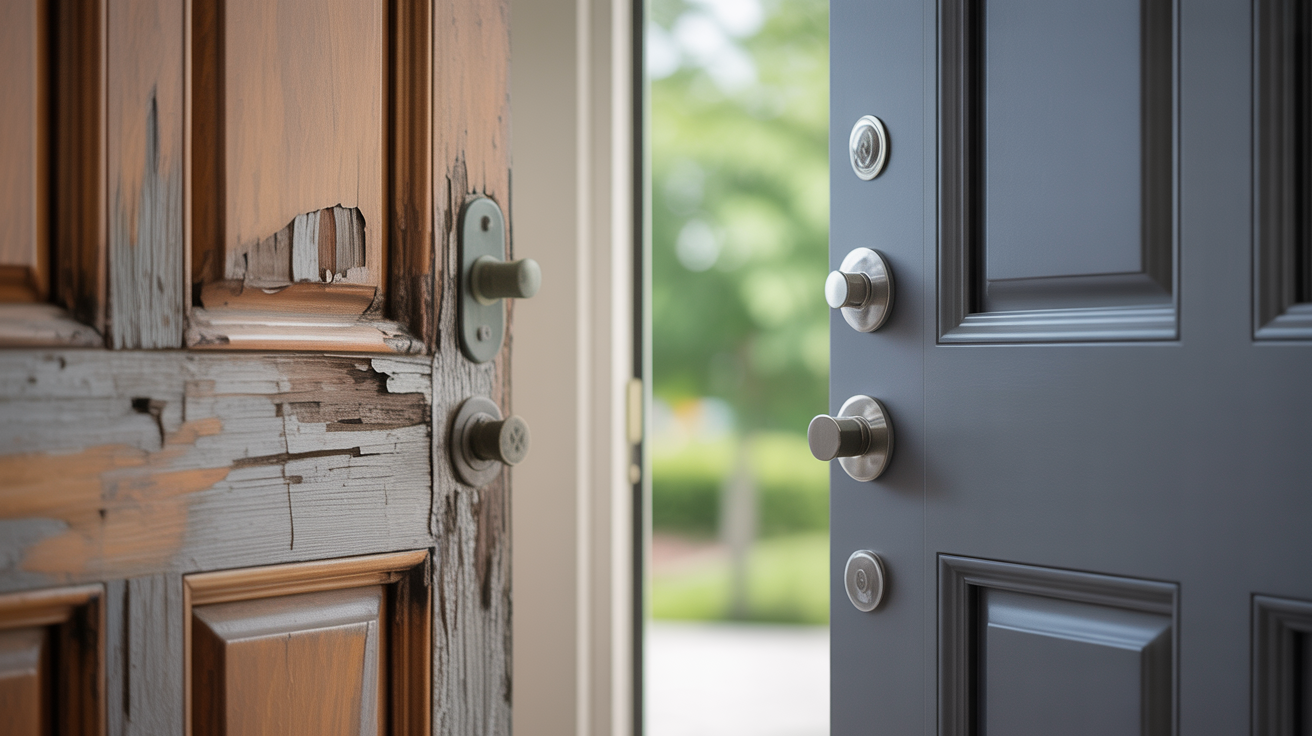
Handles that wobble, deadbolts that stick, hinges that squeak—hardware problems are both annoying and potentially dangerous. Loose locksets compromise security. Failing hinges can't support door weight properly. Worn strike plates don't engage fully.
How secure does your front door hardware feel? If there's any play or resistance, address it before small inconveniences become security risks.
How Quality Materials Reduce These Issues
Most door problems share a root cause: materials that can't handle the demands placed on them. Investing in quality from the start prevents problems rather than requiring repairs later.
Dimensional Stability
Premium materials resist the expansion and contraction cycles that cause sticking and warping. Engineered composites, quality hardwoods, and resin-enhanced substrates maintain their dimensions through temperature and humidity swings far better than basic softwood or hollow-core alternatives.
Weather-Resistant Finishes
Professional-grade finishes with UV stabilizers, moisture barriers, and flexible coatings dramatically outlast consumer paints and stains. The upfront cost difference is modest; the longevity difference is enormous.
Precision Manufacturing
Tight tolerances in construction—exact dimensions, properly seated seals, perfectly aligned hardware—prevent the gaps and misalignments that cause drafts, sticking, and premature wear. Quality shows in the details you might not notice initially but definitely appreciate over years of use.
Understanding how different door materials perform helps you choose options that minimize future problems.
Why Custom Resin Doors Offer Long-Term Reliability
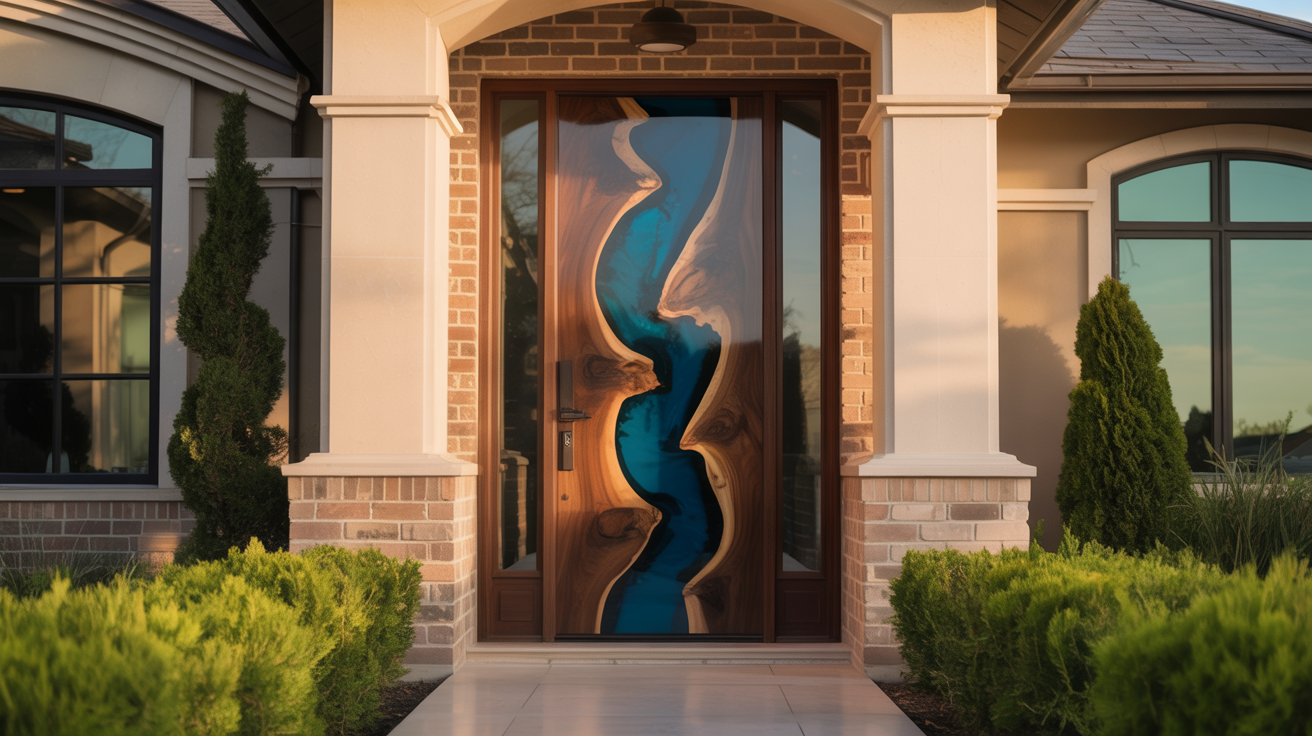
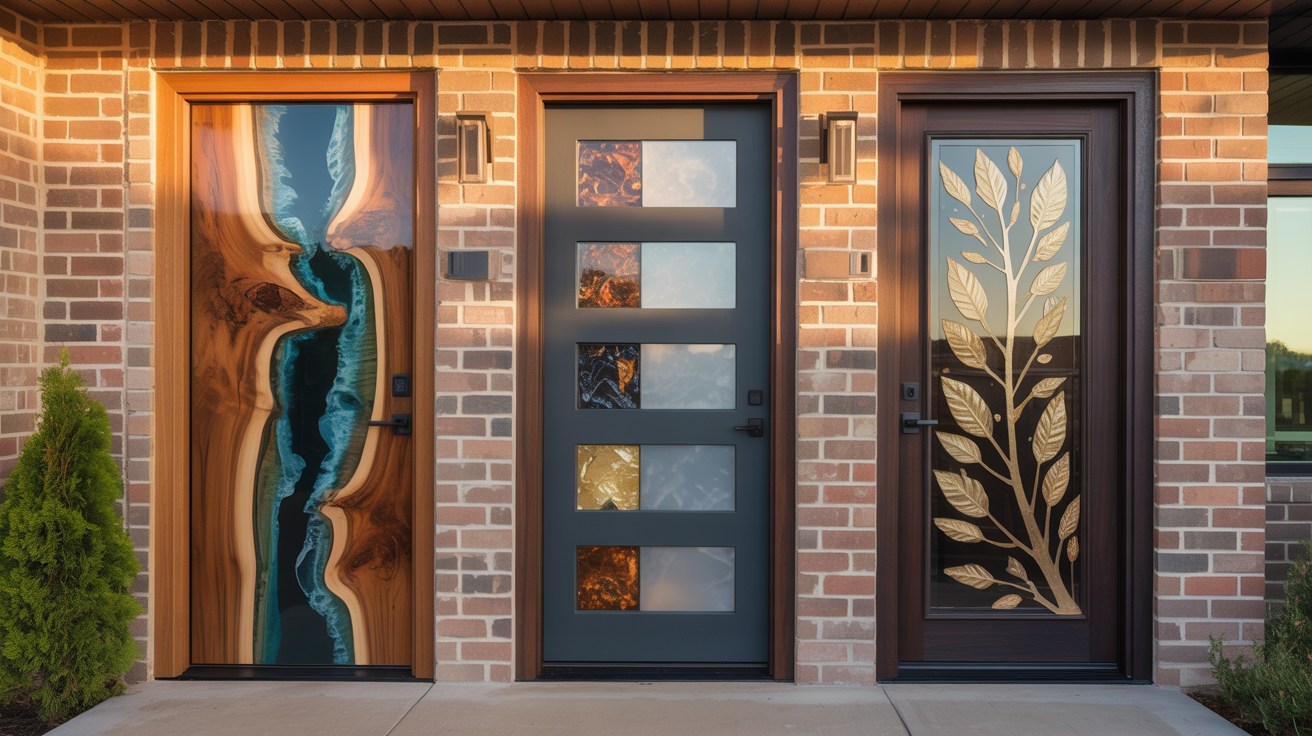
Among the options available to homeowners, custom resin doors address common entry door problems with particular effectiveness. Here's why:
Superior Durability
Epoxy resin creates an exceptionally hard, stable surface. Unlike paint that chips or stain that fades, properly cured resin resists scratches, impacts, and environmental degradation. The color runs through the material, not just across the surface.
Our detailed look at the crafting process explains how these durability characteristics are built in during manufacturing.
Design Stability
Resin acts as a sealant, locking out moisture that causes wood to swell and contract. This means less seasonal movement, fewer alignment issues, and more consistent operation year after year. The door that closes smoothly in January still closes smoothly in July.
Weather Resistance
UV-protective clear coats over resin maintain color vibrancy for years. The resin itself doesn't absorb moisture like raw wood, reducing the expansion-contraction cycles that damage conventional doors. For Missouri's demanding climate, this resistance translates directly to longer life and fewer problems.
Did you know? Quality resin doors can maintain their appearance and function for 20-30 years with basic maintenance—significantly longer than most painted or stained wood doors in comparable conditions.
Explore resin door design options that combine beauty with lasting performance.
Pro Tips for Preventing Entry Door Problems
Whether you have a current door to maintain or you're planning an upgrade, these practical steps minimize problems:
Inspect weatherstripping annually. Replace compressed, cracked, or missing seals before winter. This simple maintenance prevents the most common comfort and efficiency complaints.
Keep hardware lubricated. A drop of graphite lubricant in locks and light oil on hinges prevents binding and wear. Do this twice yearly for best results.
Address sticking immediately. A door that sticks isn't just annoying—it's telling you something is wrong. Identify the cause (seasonal swelling, settling, hinge wear) and address it before secondary damage occurs.
Maintain your finish. Don't wait until paint peels or stain fades completely. Touch up or refinish at the first signs of deterioration. Protecting the surface protects everything beneath it.
Check alignment seasonally. Close your door and examine the gaps around all edges. They should be consistent. Uneven gaps indicate shifting that may need professional attention.
Pro Tip: Schedule a thorough door inspection every spring and fall—Missouri's transitional seasons reveal problems that extreme summer and winter conditions create.
Invest in quality installation. If replacing your door, prioritize professional installation. The best door in the world fails with poor installation. Spend the money here.
Our buyer's guide covers what to look for when selecting a replacement door.
Frequently Asked Questions
Why does my front door stick during certain seasons?
Wood absorbs moisture from humid air and expands. During Missouri's humid summers, this expansion can cause doors to bind against frames. In winter, dry heated air causes contraction, sometimes creating gaps. This cycle repeats annually, and each cycle can worsen the problem. Materials that resist moisture absorption—like resin-sealed doors—experience significantly less seasonal movement.
How can I stop drafts from coming through my door?
Start with weatherstripping replacement—it's the most common cause and easiest fix. Check the threshold for gaps and adjust or replace if needed. Inspect where the frame meets the wall for gaps (often hidden by trim) and seal with appropriate caulk. If drafts persist despite good seals, the door itself may be warped and need replacement.
When should a door be repaired versus replaced?
Repair makes sense for isolated issues—a sticking edge can be planed, hardware can be replaced, and finishes can be renewed. Replace when problems are systemic: multiple issues occurring simultaneously, structural compromise (rot, delamination), persistent drafts despite seal replacement, or when entry door repair costs approach 50% of replacement cost. Also consider replacement when your door no longer meets your aesthetic or security standards.
How long should a quality entry door last?
With proper maintenance, quality doors last 20-30+ years. Budget doors may show problems within 5-10 years. The variables are material quality, installation quality, weather exposure, and maintenance consistency. Custom doors built for local conditions typically outlast mass-produced alternatives significantly.
Does door orientation affect how quickly problems develop?
Absolutely. South and west-facing doors receive the most sun and weather exposure, accelerating finish degradation and material stress. North-facing doors avoid direct sun but may face more moisture issues. East-facing doors get morning sun but are usually sheltered from prevailing storms. Understanding your door's exposure helps you anticipate and prevent specific problems.
Protect Your Investment
Your front door guards your home, welcomes your guests, and faces Missouri weather every single day. It deserves attention before small problems become expensive ones.
Whether you're maintaining your current door or considering an upgrade that eliminates common issues altogether, understanding what causes front door issues homeowners face puts you in control.
Homeowners throughout Nixa, Springfield, Ozark, and Branson trust our expertise in crafting doors that perform as beautifully as they look—doors designed specifically for Southwest Missouri's demanding conditions.
Experiencing entry door problems in Nixa or Springfield, Missouri?
Our craftsmen design durable custom resin doors built to handle daily use and changing weather.
Call 417-224-8734 or request a free consultation today.
Tags
Ready to Create Your Custom Resin Door?
Let's bring your vision to life with a one-of-a-kind custom resin door