Choosing a Door That Matches Your Home's Exterior Materials (Design Guide)
Picture this: You're driving through a neighborhood in Springfield, admiring the homes. One catches your eye—gorgeous stone facade, perfectly manicured landscaping, high-end windows. Then you notice the front door. It's... fine. Just fine. A generic builder-grade door that looks like it wandered in from a completely different house.
That disconnect happens more often than you'd think. Homeowners invest thousands in exterior upgrades, then overlook the single most visible element of their home's face. The front door.
Have you ever wondered why some homes look magazine-worthy while others feel slightly "off" despite having quality materials? Often, the answer comes down to how well the entry door harmonizes with surrounding elements.
Let's talk about matching entry door to exterior materials—and how getting this right transforms your home's entire presence from the curb.
Why Exterior Materials Matter in Door Selection
Your home's exterior tells a visual story. The brick, stone, siding, or wood creates a foundation of color, texture, and style. When your custom front door design speaks the same language as these materials, everything clicks into place.
When it doesn't? The eye notices—even if the viewer can't articulate why something feels wrong.
Did you know? Studies show that home buyers form opinions about a property within 7 seconds of seeing it. Your front door plays a starring role in that split-second judgment.
Design harmony isn't about matching everything perfectly—that would be boring. It's about creating intentional relationships between elements. Sometimes that means complementing. Sometimes it means contrasting. But it always means thinking carefully about how pieces work together.
What materials dominate your home's exterior? And have you considered how your current door interacts with them?
Matching Doors with Brick Homes
Brick exteriors are common throughout Missouri—from historic homes in Springfield to newer construction in Ozark and Branson. The warm, textured surface of brick creates specific opportunities and challenges for door selection.
Understanding Brick Undertones
Not all brick is created equal. Some runs warm with orange and red undertones. Others lean cool with gray or brown notes. Some blends combine multiple colors in a single facade.
Before choosing a door, really look at your brick. What colors do you see in full sunlight versus shade? Identifying these undertones guides everything else.
Pro Tip: Take photos of your brick at different times of day. Morning light reveals different colors than afternoon sun. Your door needs to look good in all lighting conditions.
Color Strategies for Brick
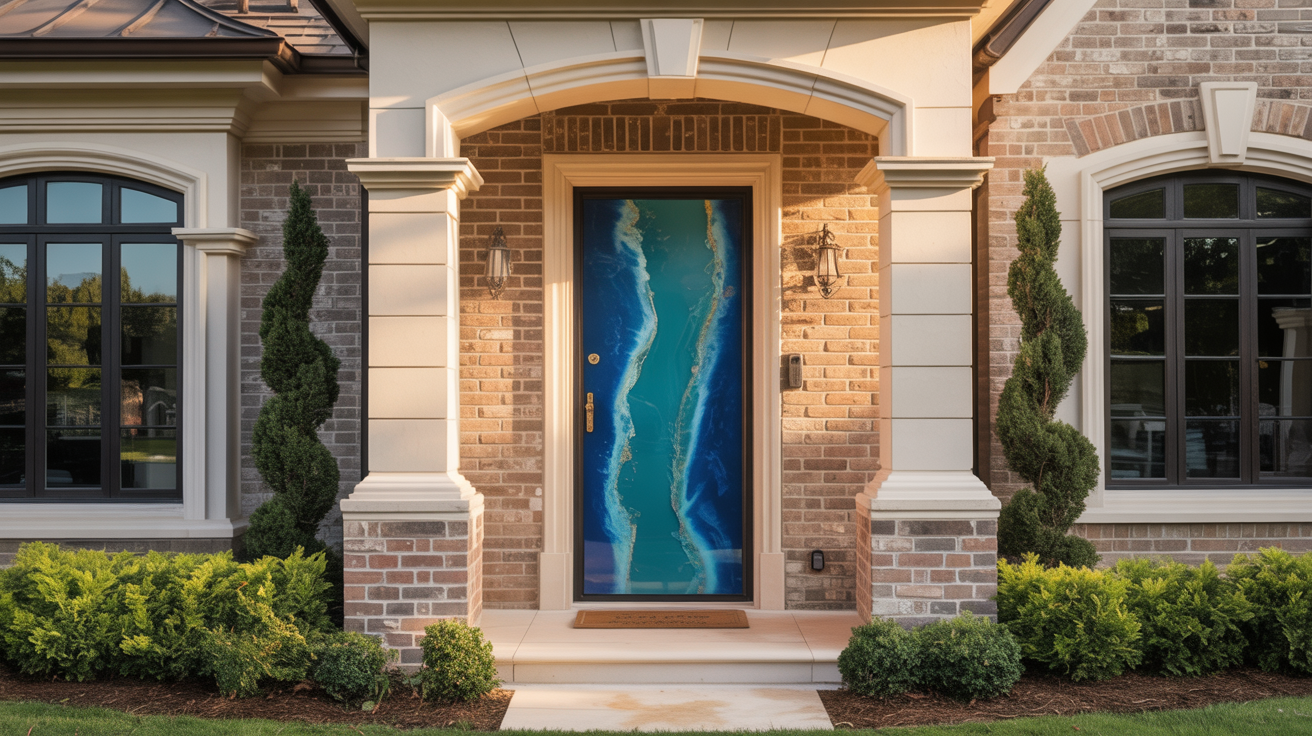
For warm-toned brick (reds, oranges, terracotta), consider doors with deep blues, teals, or forest greens. These colors create striking contrast while remaining sophisticated.
For cool-toned brick (grays, browns, tans), earthy door tones work beautifully—think warm wood finishes, amber resins, or even bold blacks.
Our resin door gallery shows how different color combinations work with various exterior materials.
Texture Considerations
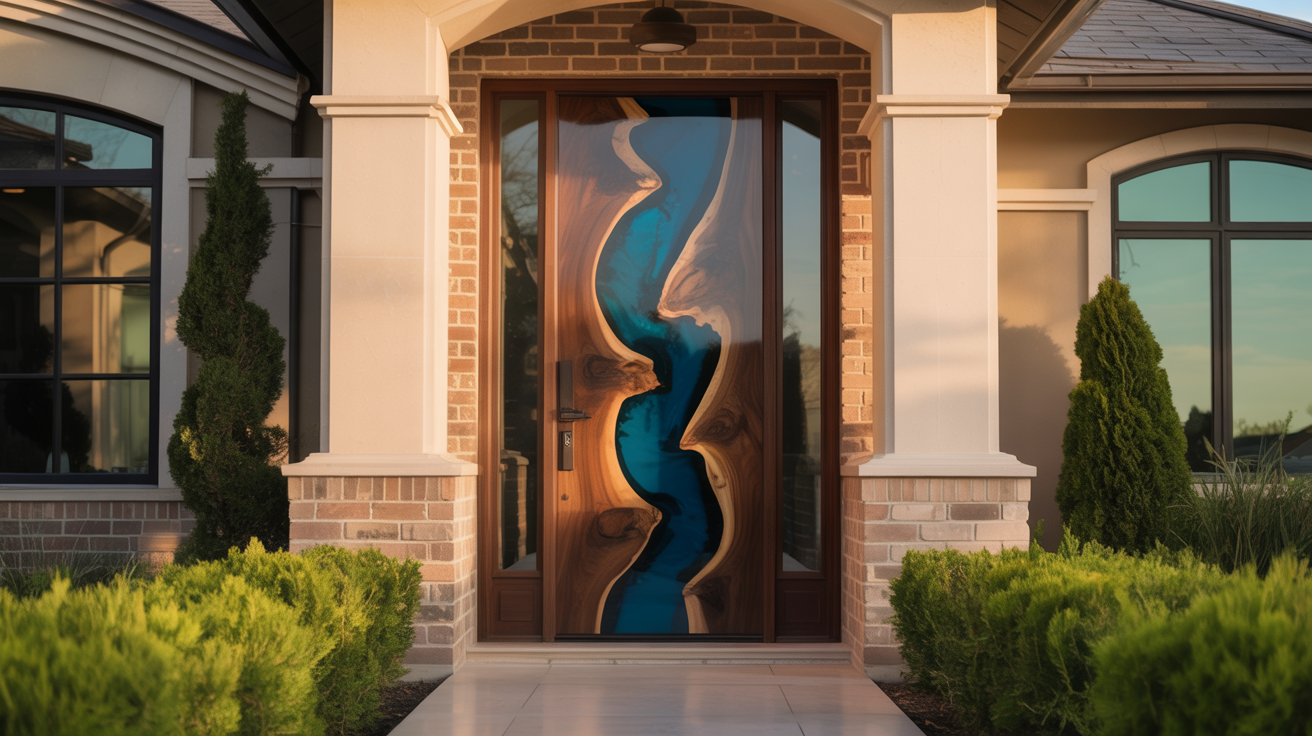
Brick's inherent texture pairs wonderfully with doors that have their own visual depth. Flat, featureless doors can look cheap against textured brick. Doors with dimensional interest—like those featuring resin rivers or wood grain—create more satisfying relationships.
Matching Doors with Stone Exteriors
Stone exteriors project permanence and luxury. Whether natural fieldstone, cultured stone veneer, or stacked slate, these materials demand doors that rise to their level.
Bold Versus Subtle Contrasts
Stone comes in such varied colors and patterns that no single door approach works universally. The key question: Do you want your door to stand out dramatically or integrate seamlessly?
For homes where stone is the clear star—a dramatic limestone facade or striking river rock—a door that complements without competing often works best. Natural wood tones or subtle resin accents let the stone shine.
For homes where stone plays a supporting role—perhaps just around the entry or as an accent—a bolder door can become the focal point. This is where custom entry doors with vivid resin colors really excel.
Did you know? The same door can look completely different against various stone backgrounds. Always view samples against your actual exterior before committing.
Working with Stone Colors
Gray stones pair beautifully with doors featuring cool-toned resins—think ocean blues, silver metallics, or deep charcoals. The temperature consistency creates visual calm.
Warm stones (beiges, tans, browns) welcome doors with amber, gold, or warm wood elements. Our guide to resin versus traditional wood doors explores these material relationships in depth.
Multi-colored stone offers the most flexibility—you can pull any color present in the stone into your door design for guaranteed harmony.
Matching Doors with Wood or Siding
Wood siding and modern alternatives like fiber cement create different design contexts than masonry. These exteriors often feel lighter, more contemporary, or more casual—and door selection should reflect that.
The Blend Versus Contrast Decision
With siding homes, you face a fundamental choice: Should your door blend into the overall color scheme or pop as a deliberate accent?
Blending works well for homes pursuing a unified, serene aesthetic. Choose door colors within the same family as your siding—darker or lighter versions of the same undertones.
Contrasting creates energy and draws the eye. A vibrant door against neutral siding becomes an instant focal point. This approach particularly suits modern front doors where architectural impact matters.
What feeling do you want visitors to have when approaching your home? Calm and cohesive, or energized and intrigued?
Coordinating with Trim
Siding homes typically feature prominent trim around windows and doors. This trim becomes part of your design equation.
If trim is white or light-colored, you have maximum flexibility with door colors. Bold choices pop beautifully against light frames.
If trim matches siding color, consider doors that introduce new tones while still harmonizing with the overall palette.
If trim is a contrasting accent color, your door can either match that accent (creating repetition) or introduce a third element (creating complexity).
Pro Tip: Look at your home's full color story—siding, trim, shutters, roof—before selecting door colors. The best choices work with everything, not just one element.
Resin Doors as a Versatile Design Solution
Here's where custom front door design gets exciting. Traditional doors limit you to available finishes and colors. Custom resin doors? The possibilities are nearly endless.
Why Resin Adapts to Any Exterior
Epoxy resin can be tinted to virtually any color. Want to pull the exact blue from your home's shutters? Done. Need a warm amber that echoes the undertones in your brick? Achievable. Looking for something completely unique? We can create it.
This adaptability makes resin doors the ultimate problem-solver for challenging exterior combinations. When off-the-shelf doors don't quite work, custom resin opens new possibilities.
Understanding how custom resin doors are crafted reveals why this flexibility exists—and why the results are so stunning.
Complementing Multiple Materials
Many Missouri homes feature material combinations—brick with stone accents, siding with stone foundations, wood details on otherwise traditional exteriors. These mixed-material facades can make door selection tricky.
Resin doors handle this challenge beautifully. A door combining warm wood with cool blue resin, for example, can bridge brick warmth and stone coolness simultaneously. The door becomes a unifying element rather than favoring one material over another.
Creating Visual Depth
Beyond color, resin adds dimensional interest that complements textured exteriors. The depth created by epoxy—the way light penetrates and interacts with pigments at different levels—echoes the visual complexity of brick, stone, and natural wood.
For homeowners serious about curb appeal design, this depth makes an enormous difference. Flat doors look flat. Resin doors invite closer inspection and reward attention.
Pro Tips for Coordinating Exterior Design
Ready to make confident decisions? Here's expert guidance:
Start with what you can't change. Your brick color, stone pattern, or permanent trim is fixed. Build your door selection around these established elements.
Consider all lighting conditions. View color samples in morning light, afternoon sun, and evening shadow. Colors shift dramatically throughout the day.
Think beyond the door itself. Hardware finish, surrounding trim, porch fixtures—everything visible from the curb should work together.
Photograph before deciding. Take pictures of your current exterior and digitally test door colors before committing. Many design apps make this easy.
Get samples when possible. Nothing replaces seeing actual materials against your actual home. Request samples of finishes you're considering.
Trust your instincts—but verify. If something feels wrong, it probably is. If something excites you, explore why.
Our complete buyer's guide covers the full decision-making process from style to installation.
Frequently Asked Questions
Should my front door match my shutters?
Not necessarily. Matching creates a cohesive look, but intentional contrast can be equally effective. If your shutters are neutral, a bold door adds interest. If your shutters are colorful, a complementary door prevents visual competition. There's no single right answer—it depends on your home's overall design and your personal preference.
What door colors work best with red brick?
Navy blue, teal, forest green, and black are classic choices that complement red brick beautifully. Avoid oranges or reds that clash with brick's natural warmth. Deep, saturated colors generally outperform pastels against brick's visual weight.
How do I choose a door color for a home with multiple exterior materials?
Identify the common undertones across your materials. Most material combinations share either warm or cool tendencies. Select door colors that align with this temperature. Alternatively, choose a neutral door (black, charcoal, natural wood) that doesn't compete with any material.
Will a bold door color hurt my home's resale value?
Quality matters more than conservatism. A well-chosen, professionally installed door—even in a bold color—typically enhances value. Cheap doors in "safe" colors don't impress buyers. That said, extremely unusual colors might narrow your buyer pool. When in doubt, choose timeless over trendy.
Can I change my door color seasonally?
With painted doors, technically yes—but it's impractical. Quality resin doors feature permanent color that won't need changing. If you want seasonal variation, consider changeable elements like wreaths, hardware, or planters instead.
Let's Design Your Perfect Match
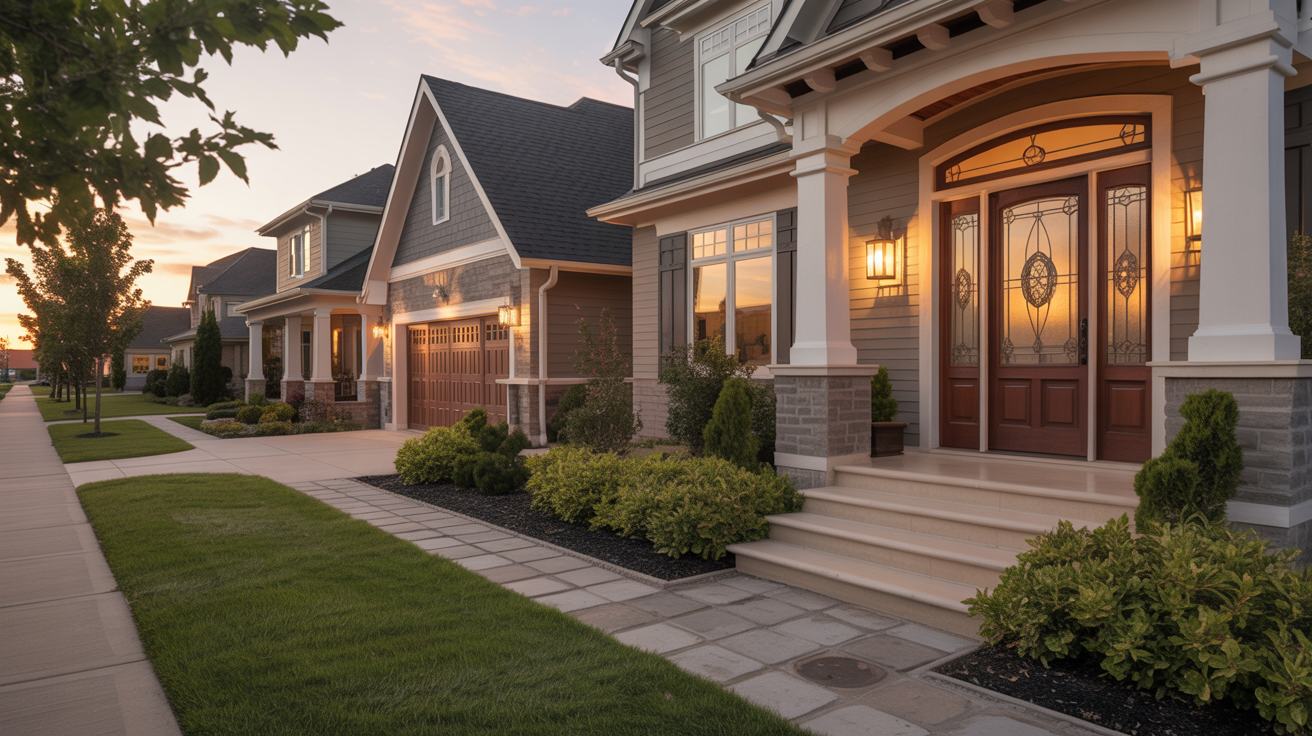
Every home in Nixa, Missouri tells its own story. The brick patterns, stone selections, and siding colors create a unique canvas. Your front door should complete that picture—not fight against it.
Whether you're building new construction in Ozark, renovating a classic Springfield home, or updating a Branson lakeside property, the right door transforms your exterior from nice to memorable.
We've helped homeowners throughout southwest Missouri navigate these decisions. We understand local architectural styles, regional material preferences, and what works in our Ozarks climate.
Bring us your questions, your photos, your ideas. We'll help you find the door that makes your home's exterior finally feel complete.
Need help matching your front door to your home's exterior in Nixa or Springfield, MO?
Our expert craftsmen can design a custom resin door that complements your home perfectly.
Call 417-224-8734 or request a free consultation today.
Tags
Ready to Create Your Custom Resin Door?
Let's bring your vision to life with a one-of-a-kind custom resin door