How Often Should a Resin Door Be Resealed? (Complete Epoxy Care Guide for Homeowners)
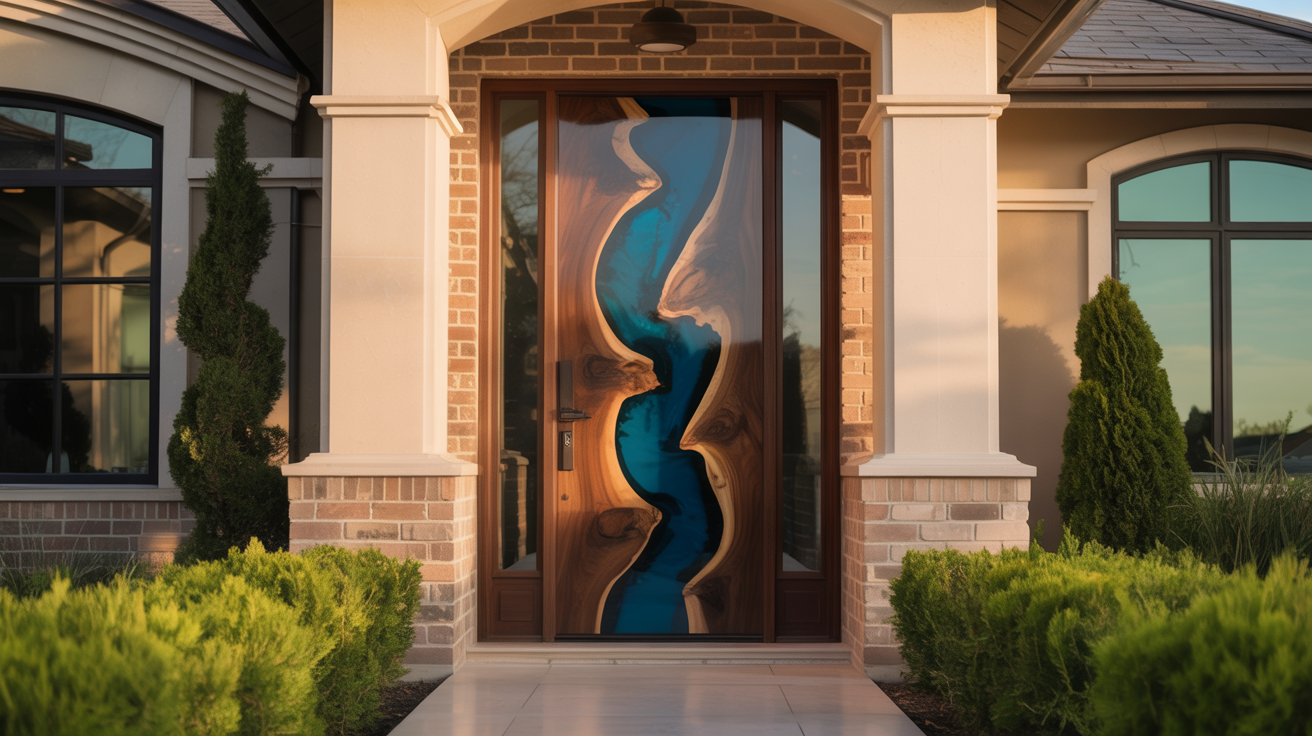
You invested in a beautiful custom resin door. Maybe it's that stunning ocean-blue river door greeting guests at your Springfield home, or perhaps a warm amber-toned entry piece welcoming family to your Nixa farmhouse. Either way, you want it looking pristine for decades to come.
So here's the question every resin door owner eventually asks: How often should I reseal my resin door?
The answer depends on several factors—but don't worry. By the end of this guide, you'll know exactly how to care for your epoxy door like the professionals do. Let's dive in.
What Resealing a Resin Door Really Means
Before we talk timelines, let's clarify what resealing actually involves. When we talk about resealing a resin door, we're referring to applying a fresh protective topcoat over the existing epoxy surface. Think of it like applying a new layer of sunscreen to protect your skin—except this protection lasts for years, not hours.
The topcoat serves several critical functions. It shields the underlying resin from UV damage that can cause yellowing or cloudiness over time. It creates a barrier against moisture penetration, which matters especially in humid Missouri summers. It maintains that gorgeous glossy finish that makes resin doors so eye-catching. And it provides scratch resistance against everyday wear and contact.
Pro Tip: Resealing is different from refinishing. Refinishing involves sanding down damaged areas and rebuilding the surface—a more intensive process needed only when significant damage has occurred. Proper resealing prevents most situations that would require full refinishing.
Did you know? A properly maintained resin door can look virtually new after twenty years of service. That's the power of consistent epoxy door care.
How Often Should a Resin Door Be Resealed?
Now for the answer you came here for. The resealing frequency depends primarily on where your door lives and what conditions it faces daily.
Indoor Resin Doors
If your resin door is interior—perhaps a stunning barn-style slider between your living room and office, or an artistic pocket door—you're in luck. Indoor doors experience minimal stress from weather elements.
Recommended resealing schedule: Every 7 to 10 years, or when you notice the finish beginning to dull.
Indoor doors primarily need resealing to refresh the visual appearance rather than for protective purposes. Some homeowners with interior resin doors go even longer between treatments because climate-controlled environments are so gentle on epoxy surfaces.
Outdoor Resin Doors (Shaded Locations)
Does your entry door sit under a covered porch or face north where direct sunlight rarely reaches? Shaded exterior doors face weather exposure but avoid the most damaging element: constant UV bombardment.
Recommended resealing schedule: Every 4 to 6 years.
Homeowners in the Ozarks often position their front entries under deep porches—a smart architectural choice that extends the life of virtually every exterior material, including resin doors. If that describes your home, you'll enjoy longer intervals between maintenance.
Outdoor Resin Doors (Full Sun Exposure)
Here's where things get more demanding. South-facing or west-facing doors that absorb hours of direct Missouri sunlight daily face the toughest conditions. UV rays break down surface coatings over time, and the intense summer sun we experience in Springfield, Nixa, and throughout the region accelerates this process.
Recommended resealing schedule: Every 2 to 4 years.
Is your door getting blasted by afternoon sun from April through October? You're on the shorter end of that range. If you've chosen a lighter-colored resin that shows UV effects more readily, consider resealing closer to every two years to maintain that fresh appearance.
Curious how resin compares to traditional materials under sun exposure? Our comparison of resin versus wood doors explores how each material handles environmental stress differently.
Signs Your Resin Door Needs Resealing
Schedules provide guidelines, but your door will also tell you when it needs attention. Here are the visual and physical indicators that resealing time has arrived.
Visual Warning Signs
The finish appears hazy or cloudy where it once was crystal clear. You notice subtle yellowing, particularly in lighter-colored resin areas. The glossy sheen has faded to a duller, more matte appearance. Tiny surface scratches that weren't visible before now catch the light. Color depth seems diminished compared to when the door was new.
Physical Warning Signs
The surface feels slightly rough or textured where it was once perfectly smooth. Water no longer beads on the surface but instead soaks in or spreads flat. Fingerprints and smudges become harder to wipe away cleanly. The door feels "sticky" or tacky in hot weather—a sign the topcoat has degraded.
Have you noticed any of these symptoms on your door? If two or more signs are present, it's definitely time to schedule a reseal resin door service.
Did you know? Many homeowners mistake normal aging for damage. A professional assessment can determine whether your door needs full refinishing or simply a protective topcoat refresh.
What Happens If You Don't Reseal?
Let's be honest—life gets busy, and door maintenance isn't always top of mind. So what actually happens if you skip resealing for too long?
First, the good news: resin doors are remarkably forgiving. Unlike wood doors that can rot, warp, or crack without proper care, epoxy door materials remain structurally sound even when the topcoat degrades. You won't wake up one morning to find your door falling apart.
However, delayed maintenance does have consequences. The underlying resin becomes vulnerable to UV damage. Once UV rays penetrate the protective layer, they can cause permanent yellowing or cloudiness that simple resealing won't fix. At that point, you're looking at refinishing rather than resealing—a more involved and expensive process.
Moisture can also create problems. While epoxy itself resists water, a compromised topcoat allows moisture to reach the wood-resin boundary in hybrid doors. Over many years, this can potentially cause issues at the interface between materials.
The aesthetic impact matters too. That premium appearance you paid for gradually diminishes. The door still functions perfectly, but it no longer makes the stunning first impression that drew you to custom resin doors in the first place.
The takeaway? Staying on schedule costs less than catching up later. A timely reseal might cost a fraction of what full refinishing requires.
How to Reseal a Resin Door: A Step-by-Step Overview
While we always recommend professional service for best results, understanding the process helps you appreciate what's involved and recognize quality workmanship.
Step 1: Thorough Cleaning
Every successful reseal starts with a perfectly clean surface. Professionals use specialized cleaners that remove dirt, oils, and residues without damaging the existing finish. Even invisible contamination can prevent proper adhesion of the new topcoat.
Step 2: Surface Assessment
Experienced craftsmen evaluate the current condition carefully. Are there scratches that need attention? Has any delamination occurred? Is the existing finish sound enough to receive a new topcoat, or does more intensive prep work lie ahead?
Step 3: Light Surface Preparation
A light scuff sanding creates microscopic texture that helps the new topcoat bond securely. This step requires finesse—too aggressive and you risk cutting through to the resin; too light and adhesion suffers.
Step 4: Application of UV-Resistant Topcoat
Professional-grade marine or automotive topcoats offer the best protection for resin doors. These products contain UV stabilizers that prevent yellowing and provide exceptional durability. Application method matters—spray application typically delivers more even results than brushing.
Step 5: Curing Time
Proper curing is critical. The door needs protection from dust, debris, and contact during this period. Depending on the product used and ambient conditions, full cure might take anywhere from 24 hours to several days.
Want to understand more about how professional craftsmen approach resin work? Our behind-the-scenes article on how custom resin doors are made reveals the attention to detail that quality work requires.
Pro Tips to Extend the Life of Your Resin Finish
Between resealing appointments, simple maintenance practices help your door stay beautiful longer. Here's what the professionals recommend.
Clean regularly but gently. Monthly cleaning with mild soap and water removes dirt and grime before they can degrade the finish. Avoid harsh chemicals, abrasive scrubbers, or pressure washers that can damage the topcoat.
Apply automotive wax annually. A quality carnauba or synthetic wax adds an extra protective layer and maintains that deep gloss. Think of it as a booster shot between resealing treatments.
Address the sun situation. If possible, add an awning, plant a shade tree, or install a storm door to reduce direct UV exposure. Every bit of shade extends your maintenance intervals.
Keep the door properly sealed at edges. While the face gets all the attention, moisture can sneak in around poorly sealed edges. Ensure weather-stripping remains intact and caulking stays sound.
Wipe up spills and splashes promptly. Bird droppings, pollen, and even hard water spots can etch into surfaces if left too long. Quick attention prevents permanent marks.
Inspect twice yearly. Spring and fall inspections catch developing issues early. Look for the warning signs we discussed above and address concerns before they escalate.
Following these practices can nearly double the time between professional resealing services. One Branson homeowner told us her south-facing door went five years between treatments simply because she followed this maintenance routine religiously.
Frequently Asked Questions
Can I reseal my resin door myself, or should I hire a professional?
DIY resealing is possible if you have experience with finish application and the right products. However, professional service typically delivers superior results. The cost difference is often modest when you factor in product purchases, tool needs, and the risk of improper application requiring correction. For most homeowners, professional resealing provides better value and peace of mind.
What type of sealant or topcoat works best for resin doors?
Marine-grade polyurethane or automotive clear coats with UV inhibitors offer the best protection for exterior applications. These products withstand weather extremes and resist yellowing far better than standard woodworking finishes. For interior doors, quality furniture-grade polyurethane provides adequate protection.
How much does professional resealing typically cost?
Costs vary based on door size, condition, and location, but most homeowners in the Nixa and Springfield area can expect to invest between $150 and $400 for professional resealing service. Compare that to $1,000 or more for full refinishing if maintenance is neglected too long.
Does resealing fix scratches and damage on my resin door?
Light surface scratches often disappear or become invisible after resealing. However, deeper scratches that penetrate into the resin itself require more involved repair before topcoating. Your service provider can assess what's needed during their evaluation.
How long does a resealing service take?
The application itself typically requires just a few hours. However, curing time means you'll want to avoid contact with the door for at least 24 to 48 hours afterward. Planning around weather is important for exterior doors—ideal conditions mean temperatures above 50 degrees and low humidity.
Protect Your Investment with Proper Care
Your custom resin door represents both a financial investment and an aesthetic statement. Proper resin door maintenance ensures that investment continues paying dividends in curb appeal and home value for decades to come.
The resealing schedule that works for your door depends on its location, sun exposure, and environmental conditions. Indoor doors might go nearly a decade between treatments. Sun-drenched exterior entries need attention every few years. Most doors fall somewhere in between.
Whatever your situation, staying proactive costs far less than reactive repairs. Watch for the warning signs, follow the maintenance tips, and don't hesitate to reach out when your door tells you it's time.
Still unsure whether your resin door needs attention? Considering a new custom door and want to understand the long-term care commitment? Our guide on how to choose the perfect resin door covers everything from design selection to maintenance expectations.
Need Help Caring for Your Resin Door in Missouri?
Whether your epoxy door needs resealing, assessment, or you're curious about upgrading to a custom resin door that delivers lasting beauty with minimal maintenance, our team is here to help.
We've been serving homeowners throughout Nixa, Springfield, Ozark, Branson, and surrounding communities with expert craftsmanship and honest guidance. Every door we create is built to perform beautifully for decades—and we stand behind that commitment with ongoing care services.
Ready to protect your resin door investment?
Call 417-224-8734 to schedule a free consultation. Our craftsmen can assess your door's condition, recommend the right maintenance approach, and ensure your entry continues making that stunning first impression for years to come.
Or request a quote online and we'll reach out within one business day.
Your beautiful resin door deserves professional care. Let's keep it looking incredible together.
Tags
Ready to Create Your Custom Resin Door?
Let's bring your vision to life with a one-of-a-kind custom resin door